Taxidermy is an ancient art form that blends scientific understanding with creative expression, preserving animals in lifelike poses that honor their natural beauty. For centuries, taxidermists have crafted trophies not merely as hunting mementos but as artistic statements requiring precision, patience, and anatomical knowledge. Each piece begins long before the animal is mounted, as the craftsman must study posture, musculature, proportions, and expression to recreate the subject exactly as it appeared in life. Quality taxidermy is not about simply stuffing a hide; it is about restoring the essence of an animal through careful sculpting, skin preparation, and finishing techniques that demand hands-on skill. This level of mastery has traditionally required years of practice, apprenticeships, and mentorship under experienced taxidermists who understood not only materials and processes but also animal behavior and lifelike presentation.
Field Preparations
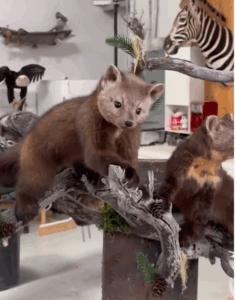 The process of creating a trophy mount begins with proper field preparation, since the preservation of the hide is essential to a successful final piece. For example with an az bighorn sheep, the skin must be removed without damage, cleaned, salted, and prepared for tanning. Once tanned, it is fitted onto a meticulously sculpted form, which represents the precise anatomy of the original animal. Many taxidermists carve their own forms from foam or create custom measurements to ensure natural proportions, while others modify commercially available mannequins to suit the unique shape of the specimen. Every detail matters—the position of the ears, the shine of the eyes, the lay of the fur, and even the subtle facial expressions. The finishing steps include painting, airbrushing, grooming, and minute adjustments that bring the trophy to life. When done well, a taxidermy mount becomes a piece of natural art that captures not just the appearance but the spirit and individuality of the animal.
Digital Shift In An Ancient Craft
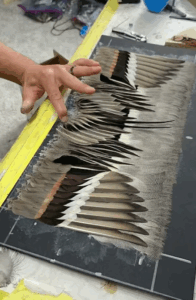 However, the digital age has brought challenges that make it increasingly difficult for traditional taxidermists to perfect their craft. While online resources, social media, and digital reference libraries offer accessibility and visibility, they cannot replace the hands-on mentorship that taxidermy has historically relied on. Many modern hobbyists attempt to learn solely from online videos or photo references, missing out on the foundational techniques and practical problem-solving that come only from in-person training. The nuances of hide preparation, anatomical accuracy, and fine finishing are difficult to understand without guidance from experienced professionals who can correct mistakes and provide real-time feedback. Furthermore, the pressure of digital competition has created unrealistic expectations, as highly edited photos online can misrepresent the quality of mounts and convince newcomers that mastery happens quickly, rather than through years of disciplined practice.
Personal Touches
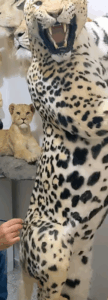 The digital shift has also led to a loss of artistic individuality in some cases. Instead of developing their own styles, many learners attempt to replicate popular online trends or shortcuts, which can limit their understanding of taxidermy as a fine art. True craftsmanship requires patience, experimentation, and learning from trial and error—qualities that are sometimes overshadowed by the fast-paced, immediate gratification culture of the internet era. Meanwhile, experienced taxidermists often express concern that fewer young people seek apprenticeships, reducing the transfer of traditional knowledge that keeps the craft evolving.
Despite these challenges, taxidermy remains a unique and respected art form rooted in skill, patience, and deep appreciation for wildlife. Those who pursue the craft through dedicated study, mentorship, and hands-on experience continue to carry forward the tradition of transforming natural history into lasting artistic expression.