 Have you ever taken a close look at the images on your favorite game or a gif that is on the internet? Those things are a type of digital artwork that someone created while sitting at a computer. Putting these pieces of artwork together may seem like a simple concept, but the truth is; it requires mathematical equations and other things. One of the easiest ways to do it is to use software, but even that may take a little effort to learn.
The Digital World
 The digital world that we all seem to live in, at least some of the time, is a unique place. It is made even more special by the digital artwork that we see on websites, but it was being created since before the internet became something that was in everyone’s home. As technology improves, so too does the digital artwork that professionals can create. This is why its reach goes far beyond the pixelated video games that were available 40 years ago. It extends into the computer world and even the movies that we watch on television when they have a lot of special effects in them. It has transformed the act of painting, making music, drawing, and more into what it is today. Do you enjoy the new visuals that we have?
How Digital Art is Created
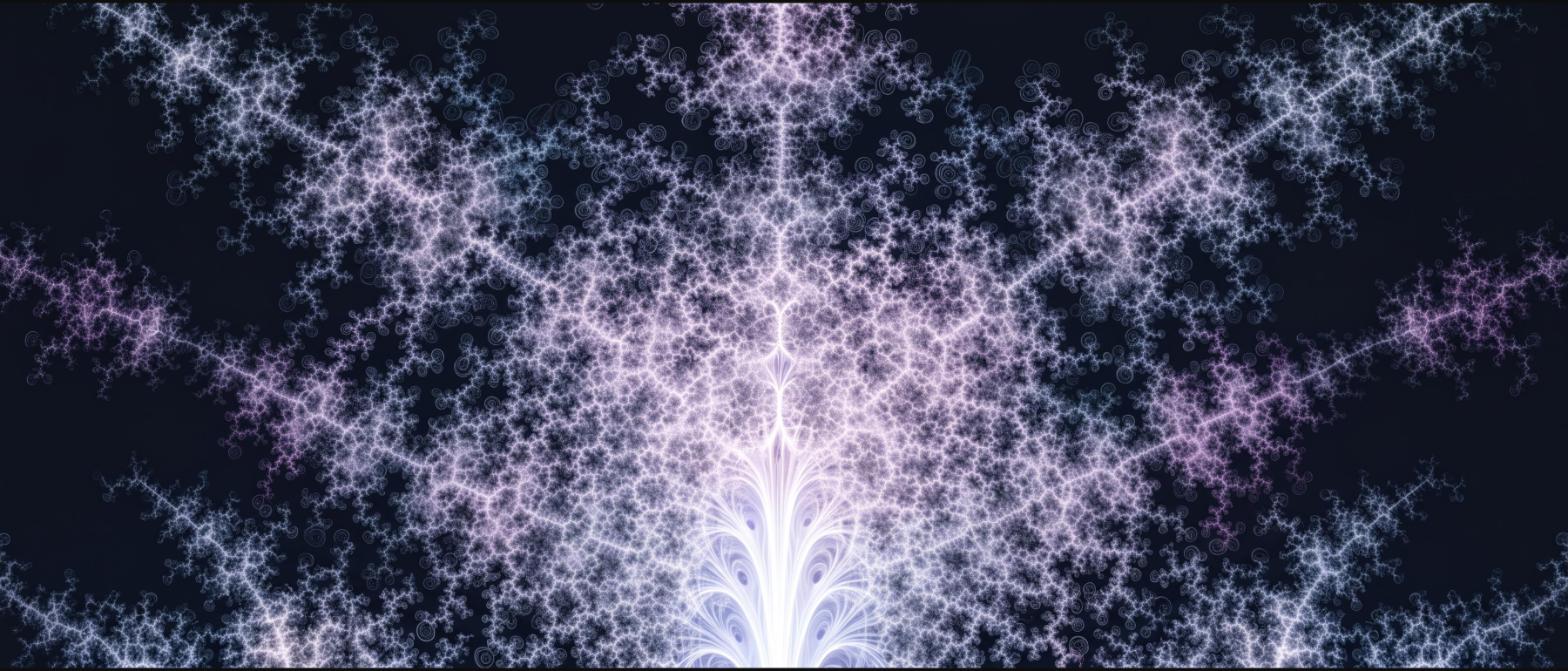
 Without computers, the digital artwork that we see today would not be possible. It may be computer generated in the form of algorithms and fractals, or it can be formed from other things such as an image or a drawing that was created using vector graphics and a mouse along with the right type of software. These images are often 2D when the artist first touches them, but through the use of math, they will be translated into 3D using a perspective projection.
The Appeal of Art
 Artwork is beautiful in all forms. The internet and television though, have the ability to bring artwork to life. It can be done through the use of gifs and other animations, or through other means. When it is done right, the overall beauty of it can be unmatched by anything except real life. However, you must first decide which software programs will be best used to help you reach your artworks full potential.
The Software
There are a lot of different types of software available to help you create digital masterpieces. Some of them are designed to be used by a novice and others are for professional use. There are programs that are simple to figure out and allow you to transform a photo with ease and others require a lot more effort to learn. The more complex the program, the more you have to know before you start trying to create something beautiful. There are people who go to school to learn how to create digital images, but in many cases, it is not a requirement since so many are trying to create the perfect images. To help you see what types of software are available, you can watch the video below or do a web search to find out which one may meet your needs.
 People are able to create many different types of art using their computer or tablet. What do you think you will be able to create once you get started? Here are some examples of things that you may want to try and recreate using your own creativity. Who knows. With a little practice, you may be able to start out simple and move into creating some truly beautiful works of art that you are proud to show off in an online gallery that you have created for yourself. There are a lot of people who do it and some are even able to sell off their creations.

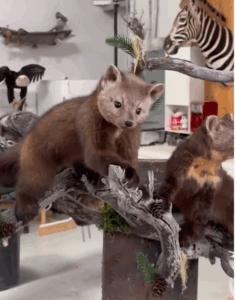 The process of creating a trophy mount begins with proper field preparation, since the preservation of the hide is essential to a successful final piece. For example with an
 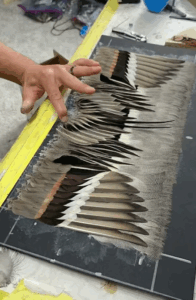 However, the digital age has brought challenges that make it increasingly difficult for traditional taxidermists to perfect their craft. While online resources, social media, and digital reference libraries offer accessibility and visibility, they cannot replace the hands-on mentorship that taxidermy has historically relied on. Many modern hobbyists attempt to learn solely from online videos or photo references, missing out on the foundational techniques and practical problem-solving that come only from in-person training. The nuances of hide preparation, anatomical accuracy, and fine finishing are difficult to understand without guidance from experienced professionals who can correct mistakes and provide real-time feedback. Furthermore, the pressure of digital competition has created unrealistic expectations, as highly edited photos online can misrepresent the quality of mounts and convince newcomers that mastery happens quickly, rather than through years of disciplined practice.
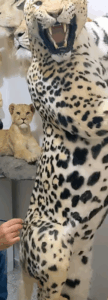 The digital shift has also led to a loss of artistic individuality in some cases. Instead of developing their own styles, many learners attempt to replicate popular online trends or shortcuts, which can limit their understanding of taxidermy as a fine art. True craftsmanship requires patience, experimentation, and learning from trial and error—qualities that are sometimes overshadowed by the fast-paced, immediate gratification culture of the internet era. Meanwhile, experienced taxidermists often express concern that fewer young people seek apprenticeships, reducing the transfer of traditional knowledge that keeps the craft evolving.
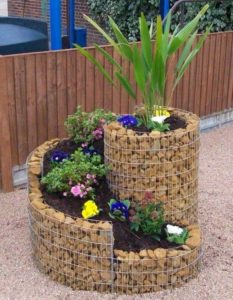 Most of the time, people do not put much thought into where their statues and other decorations may come from. However, for a digital designer, it is something that they see everywhere. They see how some of the most frequently used things get their start as a digital image. They are also the ones who create them, especially those that are used outside in gardens, since they have to made durable and beautiful. Luckily, there are many who enjoy designing ornamental garden goodies that everyone can enjoy.
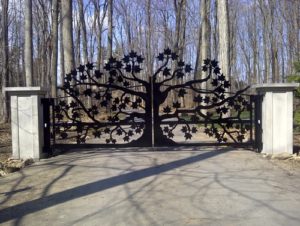 If you really think about it, everything that exists today is first created through a computer program. Roller coaster designers create them on the computer and then build them. Homes are built by architects on a computer and the blueprints are developed based on what you want. Your ornamental garden gates, fences, and even garden gnomes may also be computer designed, especially if you find a piece that has intricate designs. It starts at the computer, but where does it go from there? The answer to this is in some cases it may go to a CNC machine or a fabrication shop, which also means that you can customize your own if you have a creative idea.
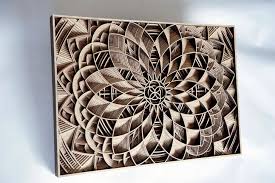 You do not have to be a designer to create things on the computer. There are a lot of different programs out there that help people create the things that they want to create. You can look up a program that will help you design the perfect home, including furnishings. You can look up programs that help you figure out what needs to be included in your custom DIY driveway gate design, if you plan to customize wrought iron or similar material. A lot of people choose to make gates that have their initials or some other detail that somehow ties to their property. It could be the farms name or a horse’s head. In either case, once you design it, you can send your idea to the fabrication shop to be built. The fabrication shop may also use the computer numeric control, (CNC) machine to work with cutting wood, if you prefer to have a gate that is wooden. This machine is able to create very delicate designs in the wood, metal, and other stuff that you may want to engrave or cut.
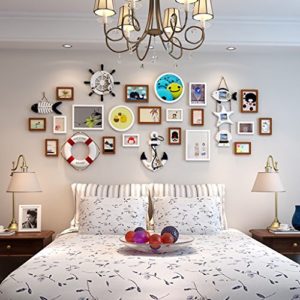 We all want for our house to express a little about who we are. This is why we often display photos of our family, furniture in colors that we love, and more. The digital artist can do even more. Most of them have the ability to bring their most favorite creations to live and transfer them into physical art pieces that they can show off. Can you imagine taking it one step further and making that digital artwork into usable household art? It is possible if you have a creative mind.
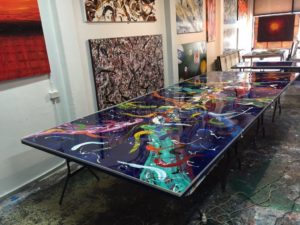 If you can see it, you can build it. There are people who take the digital art that they create and bring it to life. The easiest way to do it is through printing canvases, but there are many other options as well. You can print out a photo that is reversed on the computer screen and paper, then transfer it to a piece of wood. You simply have to glue it down and then wash away the paper. The print stays and if the colors are done right; it looks amazing. You can also use the digital art you create to life in bigger ways. For those do-it-yourselfers you can epoxy countertop DIY to seal in artwork with epoxy. This will free you up to create bar tops, counter tops, coffee tables, end tables, and more. If you are willing, you could also build your own headboard using a flat piece of wood and small trinkets that you collect, such as leaves.
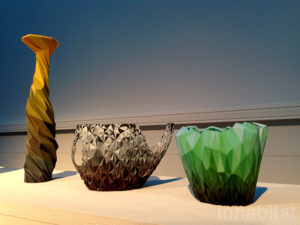 The possibilities are endless when it comes to digital artwork possibilities. If you have a desire to express yourself and your talent you can do so by bringing the art to life. It can be done through 3-D prints using a special printer, or photo collages on a flat surface. You get to choose which one you prefer and then start creating the things that you want to see in your home. This self-expression is a new trend that is not going to end anytime soon as the digital world continues to blossom and flourish. What will you create and build with the endless possibilities that are available to you? Will you create a masterpiece for your home, your child, or someone else that you know would love it? Either way, it will be something usable, that everyone will love.
 When you live in a world where people rarely look at paper prints, it becomes necessary for you to consider the digital world as a place where you need to focus your attention. In years past, people would pick up a brochure to help them decide where they wanted to go on vacation. Now, its all about the internet and they would rather search. Creating paper prints for a resort is a lot different from creating digital masterpieces that will appeal to them. Therefore, there are a lot of technical tools for digital artwork that you must learn before you can succeed with digital artwork designs.
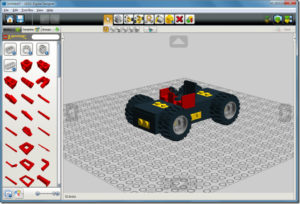 One of the biggest things you will deal with if you have a print that you want to turn into a digital design is the colors you are going to have to work with. Typically speaking, all prints use a CMYK format for the color palate. This means that you can use cyan, magenta, yellow, and black to create a picture that will look good when printed on a home or business printer. In the digital world, you need to focus on red, green, and blue, or RGB as the colors if you want it to look great. From there, you will need to consider pixels instead of inches. Whereas prints are calculated by using 4×6 or 8×10 type sizes, the computer-based world requires you to use pixels. So many pixels per inch and the higher the number, the better the graphic is going to be. There are programs that can help you convert both colors and pixel counts.
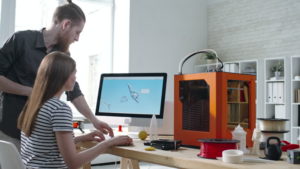 In years past, it was often enough to use Photoshop or other programs, but now, many digital design artists are going further with it. There are web-based programs that allow you to create prototypes, workflows, and presentations. They enable you to sketch out a design idea and show how it works through dynamic projects so that you can get an idea of what UX means and how to use it to create wire-frames for websites that you may want to create. You can see digital design put to the test if you check out